Civic Conversation Meets Theatre; ROOM C-12: A Reflection of Nigeria’s Struggle for Unity
Some conversations are easier to begin through stories. The NOLA stage production brings questions around identity, belonging, and coexistence into a creative setting, using performance to encourage audiences to reflect on the narratives that shape how we see one another.
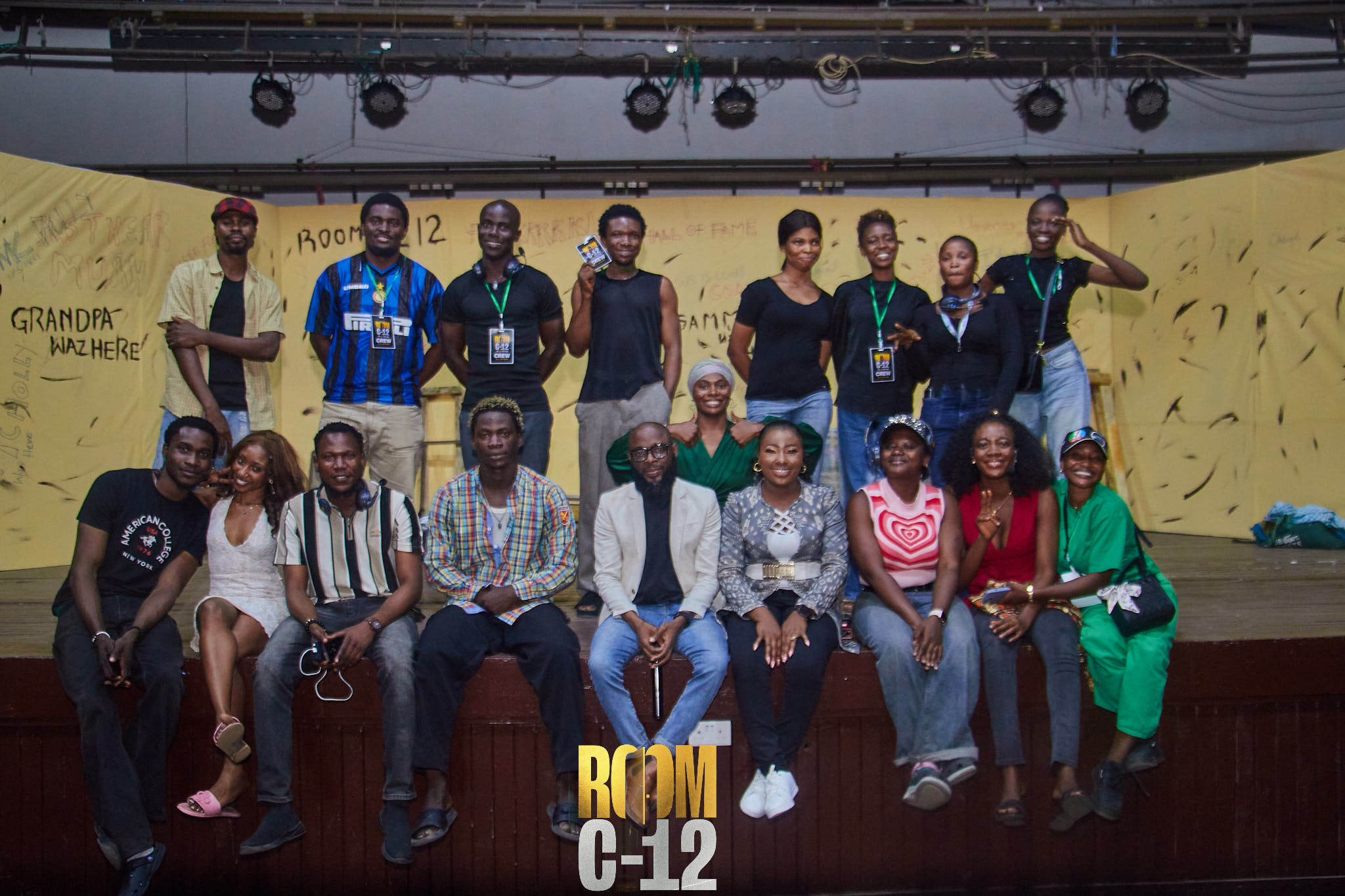
An Active Citizen Campaign initiative exploring ethnic prejudice, religious tolerance, and the responsibility of citizenship through theatre.
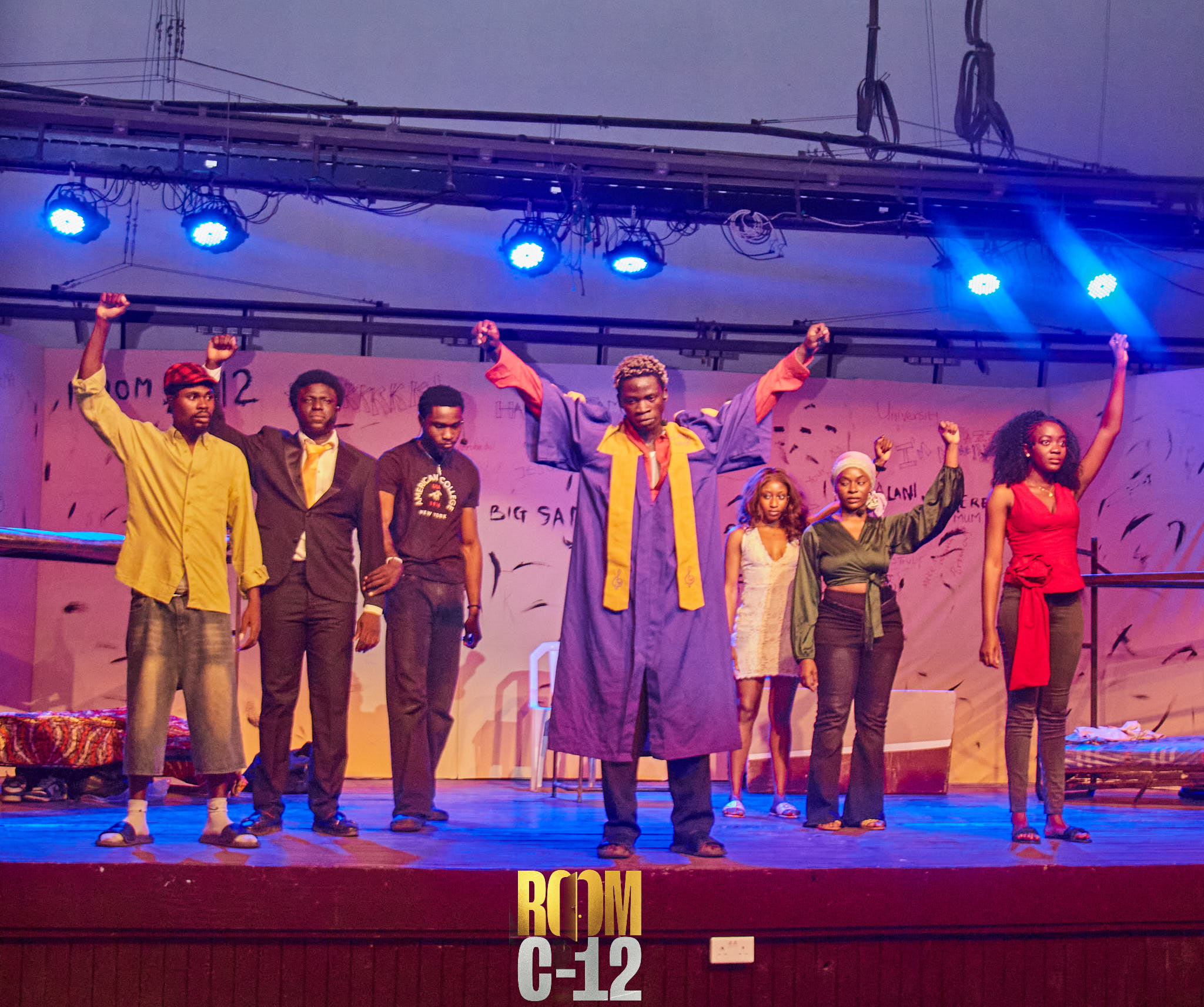
As part of the Active Citizen Campaign, Nola Stage Production performed Room C-12 at the University of Lagos (UNILAG), using theatre as a medium to examine some of Nigeria’s most persistent social challenges: ethnic prejudice, religious intolerance, misinformation, and the struggle for national cohesion.
The stage play presents a compelling reflection of contemporary Nigerian society through the experiences of three final-year university students from different ethnic and religious backgrounds who are compelled to share a hostel room. Musa, a Hausa Muslim; Kelechi, an Igbo Christian; and Tunde, a Yoruba Christian, find themselves navigating a shared space where their individual identities, beliefs and inherited prejudices are constantly tested.
Through a combination of comedy, drama and suspense, the production explores how seemingly harmless stereotypes can develop into dangerous forms of discrimination. Musa’s reluctance to disclose his religious identity reflects the reality of individuals who feel compelled to conceal aspects of themselves for fear of rejection, discrimination or persecution.
The play also examines the generational transmission of prejudice through Blessing, whose perception of other ethnic groups is largely shaped by the narratives she inherited from her mother. Despite experiencing genuine kindness from Musa, she momentarily returns to her old prejudices during a period of personal frustration. Her careless message in a group chat subsequently escalates into a false allegation of religious extremism, threatening Musa’s academic future.
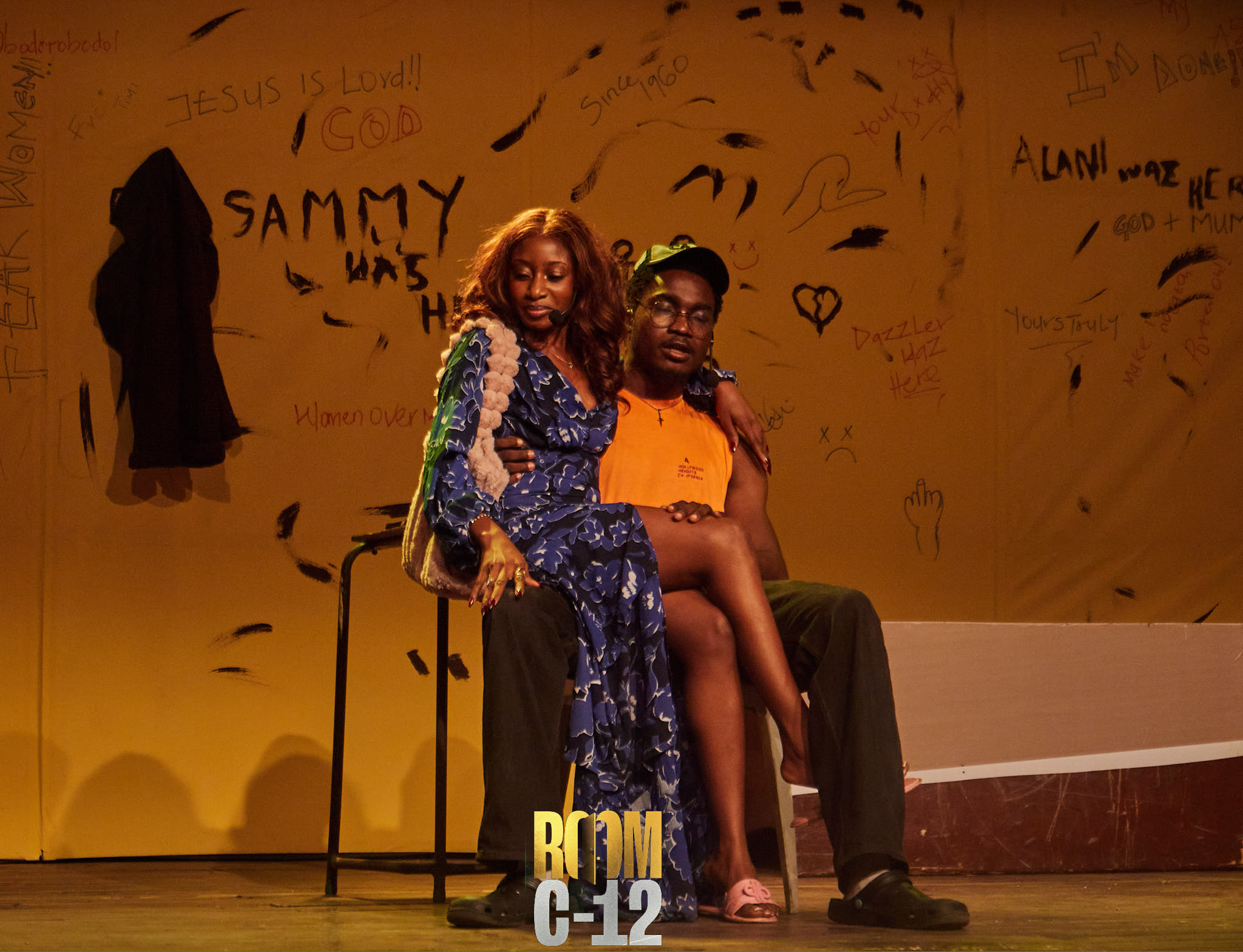
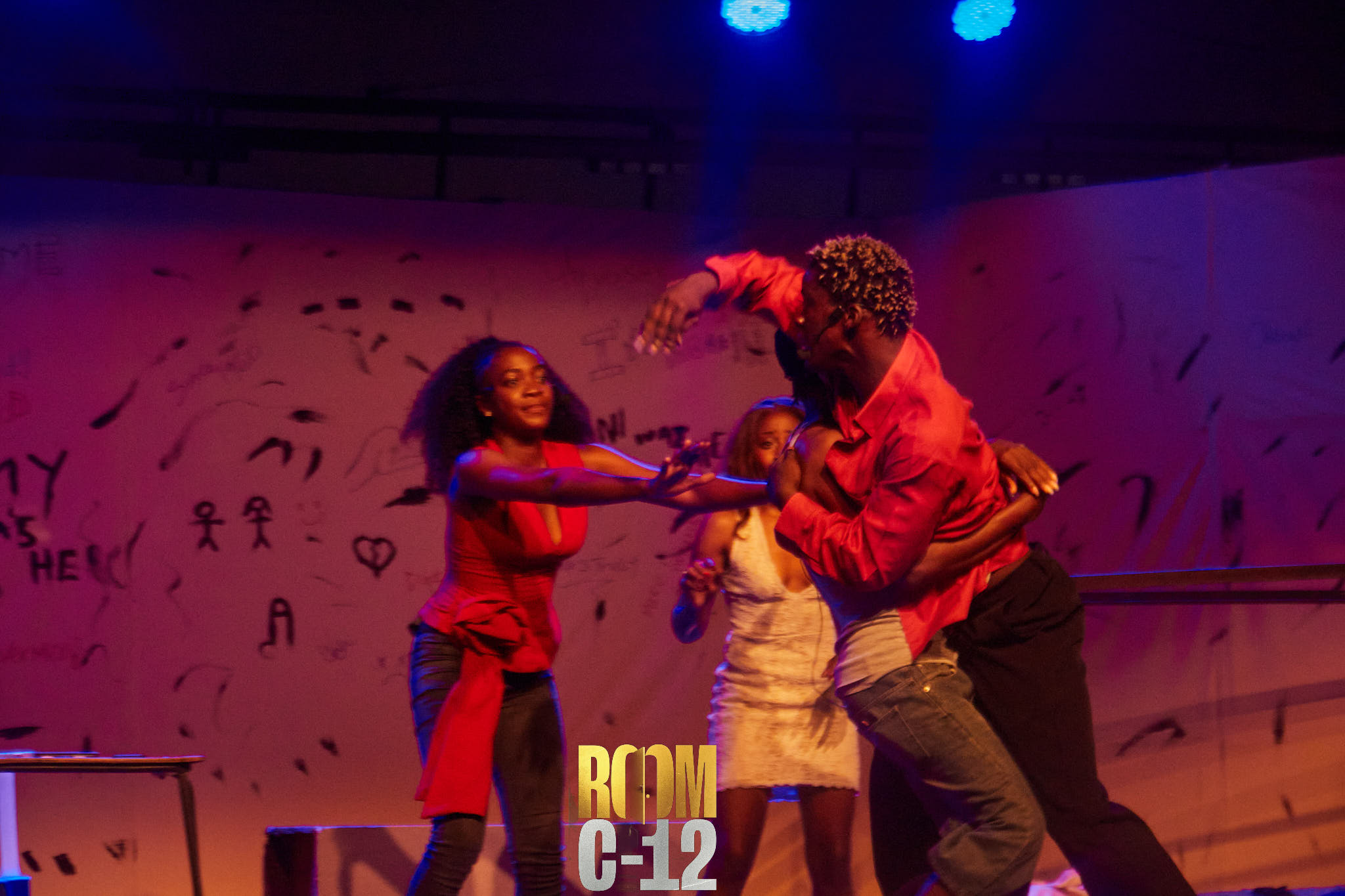
This development speaks directly to the realities of Nigeria’s digital landscape, where unverified information, inflammatory statements and prejudiced narratives can spread rapidly, deepen existing divisions and endanger innocent people. It challenges citizens to recognise that freedom of expression must be accompanied by responsibility and an awareness of the consequences of their words.
One of the most significant lessons from Room C-12 is that prejudice is often learned rather than experienced. Many Nigerians grow up accepting negative perceptions of other ethnic and religious communities without independently questioning their validity. Breaking this cycle requires deliberate engagement, meaningful conversations, and a willingness to challenge inherited beliefs.
The play further demonstrates that national unity does not require cultural or religious uniformity. Nigerians can retain their distinct identities while building relationships founded on mutual respect, fairness and shared humanity.
Equally important is the lesson of moral courage. Blessing’s eventual decision to accept responsibility, despite losing her scholarship, and Kelechi’s willingness to jeopardise his employment prospects in defence of Musa illustrate what it means to be an active citizen. Citizenship extends beyond possessing a national identity; it involves standing against injustice, defending the truth and refusing to remain silent when others are unfairly treated.
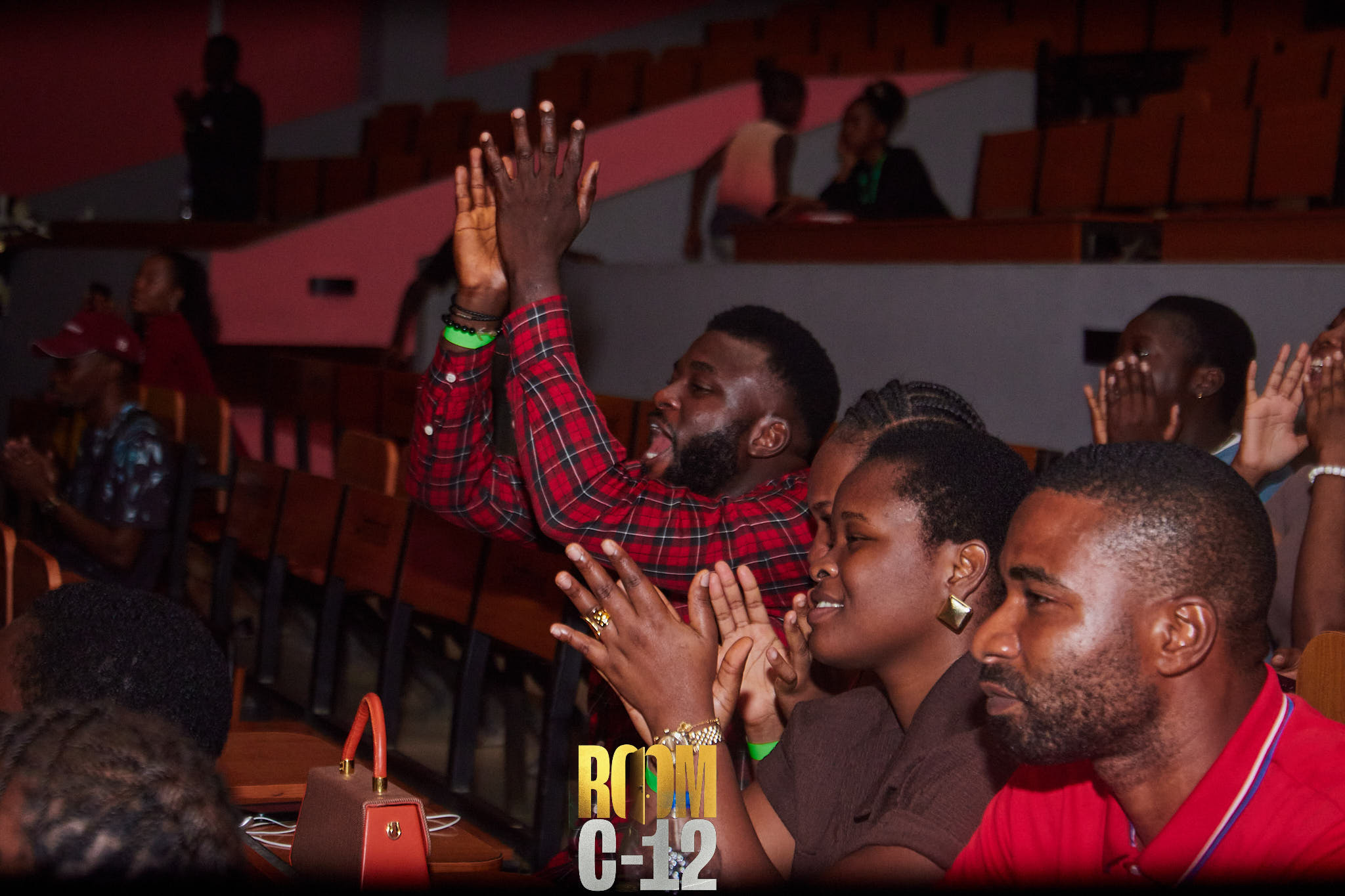
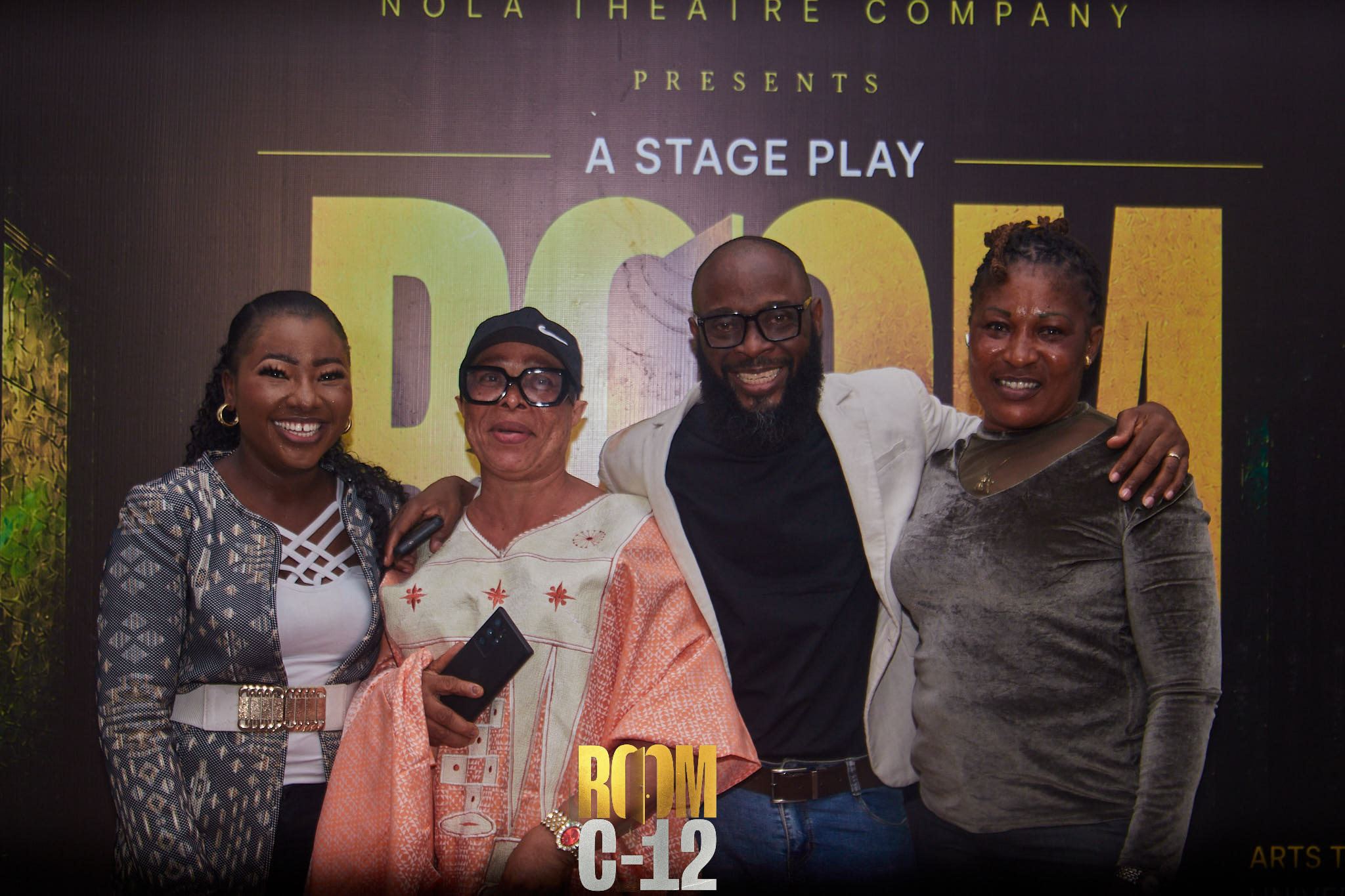
By bringing this conversation into a university environment, the Active Citizen Campaign underscores the importance of engaging young Nigerians in building a more inclusive and cohesive society. Theatre provides a powerful platform for examining uncomfortable realities through relatable human experiences.
Ultimately, Room C-12 presents Nigeria as a shared room. We may come from different backgrounds, speak different languages and practise different religions, but we share a collective future. The responsibility of making that shared space peaceful, equitable and habitable belongs to every one of us.