One Market, Many Tongues
It is 5:30 a.m at Mile 12 Market, Lagos, and Mama Ngozi is already losing an argument with her long-time market seller.
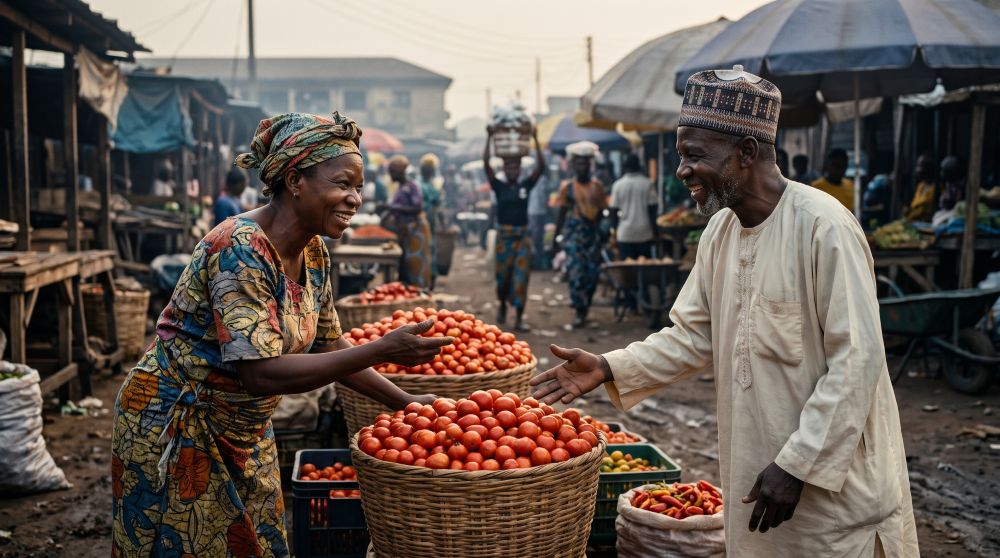
It is 5:30 a.m at Mile 12 Market, Lagos, and Mama Ngozi is already losing an argument with her long-time market seller.
“Alhaji Sani, N10,000 for this basket of tomatoes? Wetin happen?” “Mama, ah-ah! Na fresh from Kano this morning. N9,500, las las.” “N9,000!”
“Take am N9,200, and you go carry the small basket for your daughter.” Mama Ngozi smiles. She has been Alhaji Sani’s customer for 22 years, but she has not learned proper Hausa, and he has never mastered her language - Igbo. Between them, however, they built something better than fluency: a language of Pidgin, hand signals, teasing and trust.
When Alhaji’s wife was sick in 2019, Mama Ngozi was the first to arrive with a pot of Oha soup. When her shop flooded, Alhaji Sani sent two of his boys to carry her stock and refused to take a kobo.
Just a few stalls away in the market, Iya Bisi weighs out peppers while her apprentice, 17-year-old Chidera from Enugu, calls prices in Yoruba fluently that customers would sometimes think he’s from Ibadan, or another Southwest state. Three months ago, however, all he could say in Yoruba was “e kaaro.” Now he complains about Lagos traffic like a native.
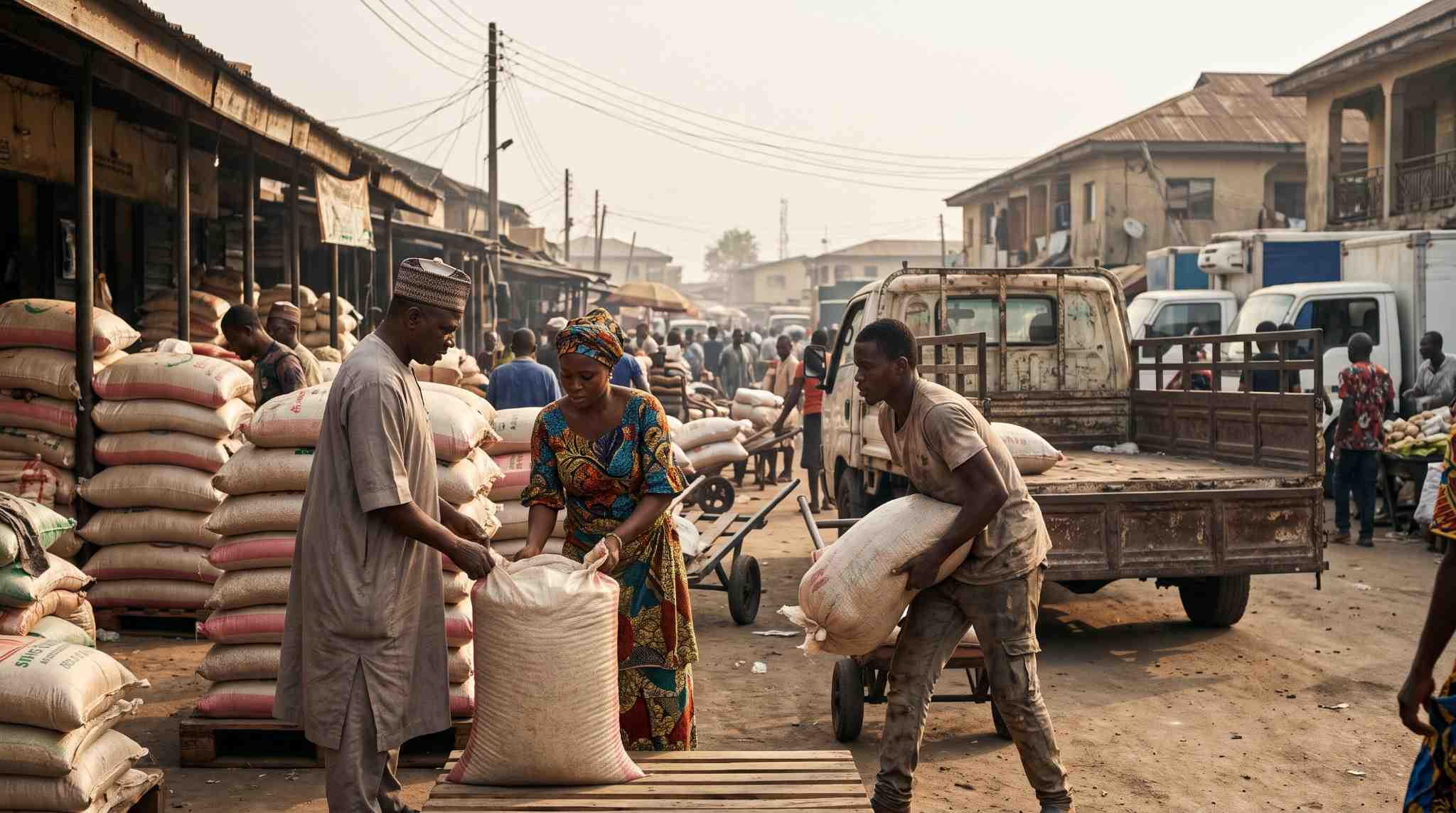
This is the scenario of a typical market place in Nigeria. Many years before anyone argued about tribe on social media, traders from different parts of the country carried and sold their goods across the markets irrespective of their tribe. The market has always been where Nigerians learned each other first, one price and one handshake at a time.
And the market runs on something we rarely call a civic virtue: trust. You give goods on credit to a man whose village you have never seen. You believe a stranger will return next week. You trust because suspicion is bad for business. Think about that. Ordinary Nigerians solve “us versus them” every single morning, without being told to.
Are the markets paradise? No. There are quarrels, cheats, rumours and days when someone says what they should not. But these are all part of public human interactions. And how do the quarrels end. An elder steps in and says something like: “Ah-ah, enough now. We are all here to sell.” That’s it. So the next time someone tells you Nigerians from different regions cannot work together, visit your nearest market. Listen closely. Count the languages in one conversation. Count how many people are doing business across lines they were told never to cross.
Different stories. Shared country.