The Stories We Tell Can Hold a Country Together
On October 1st, as Nigeria marked another year of independence, a different kind of conversation was unfolding in Abuja.
On October 1st, as Nigeria marked another year of independence, a different kind of conversation was unfolding in Abuja.
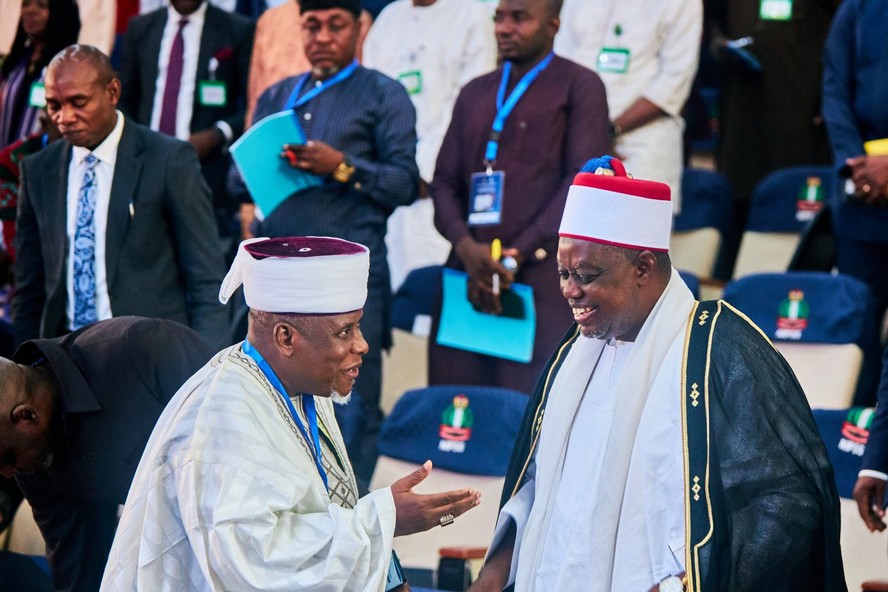
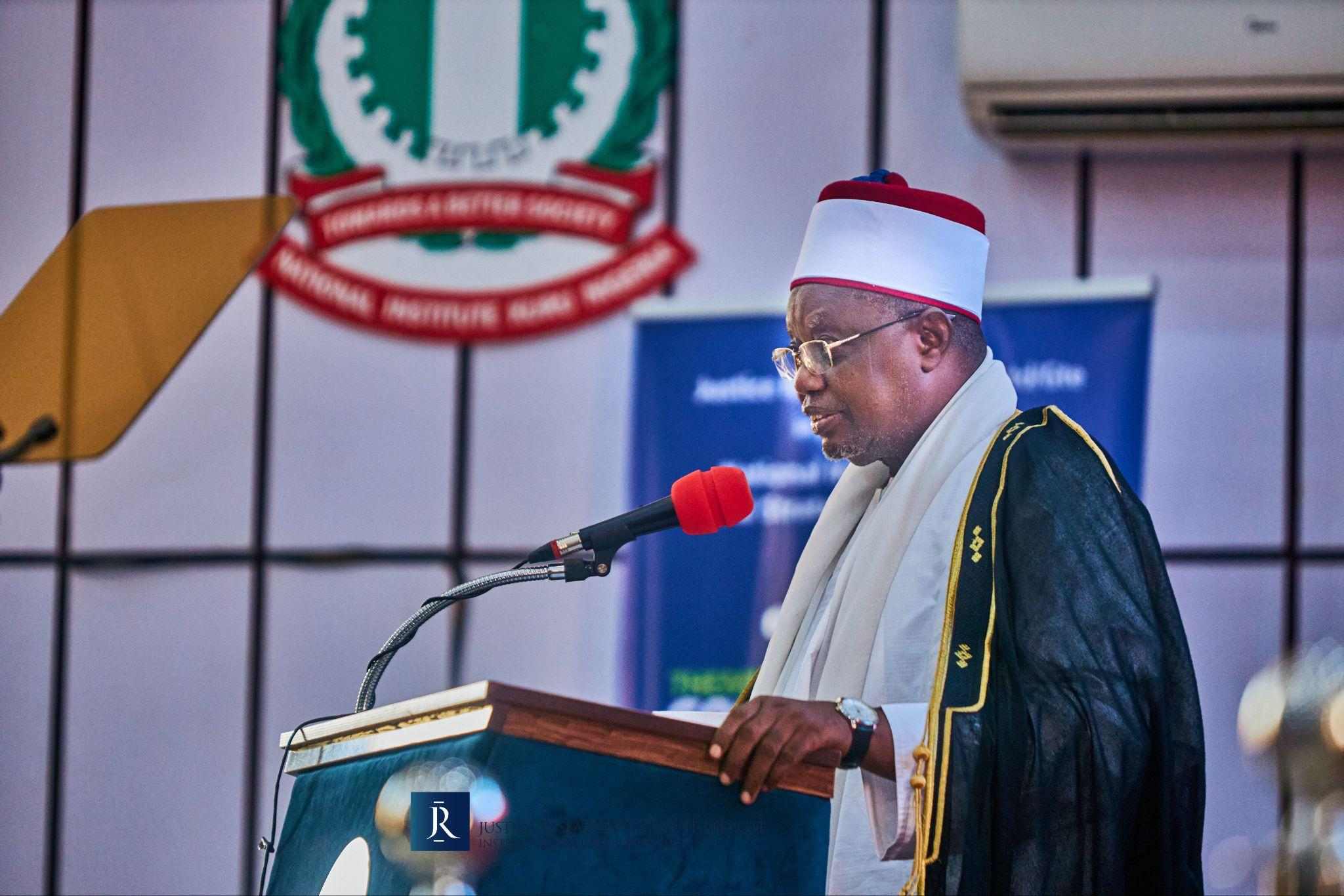
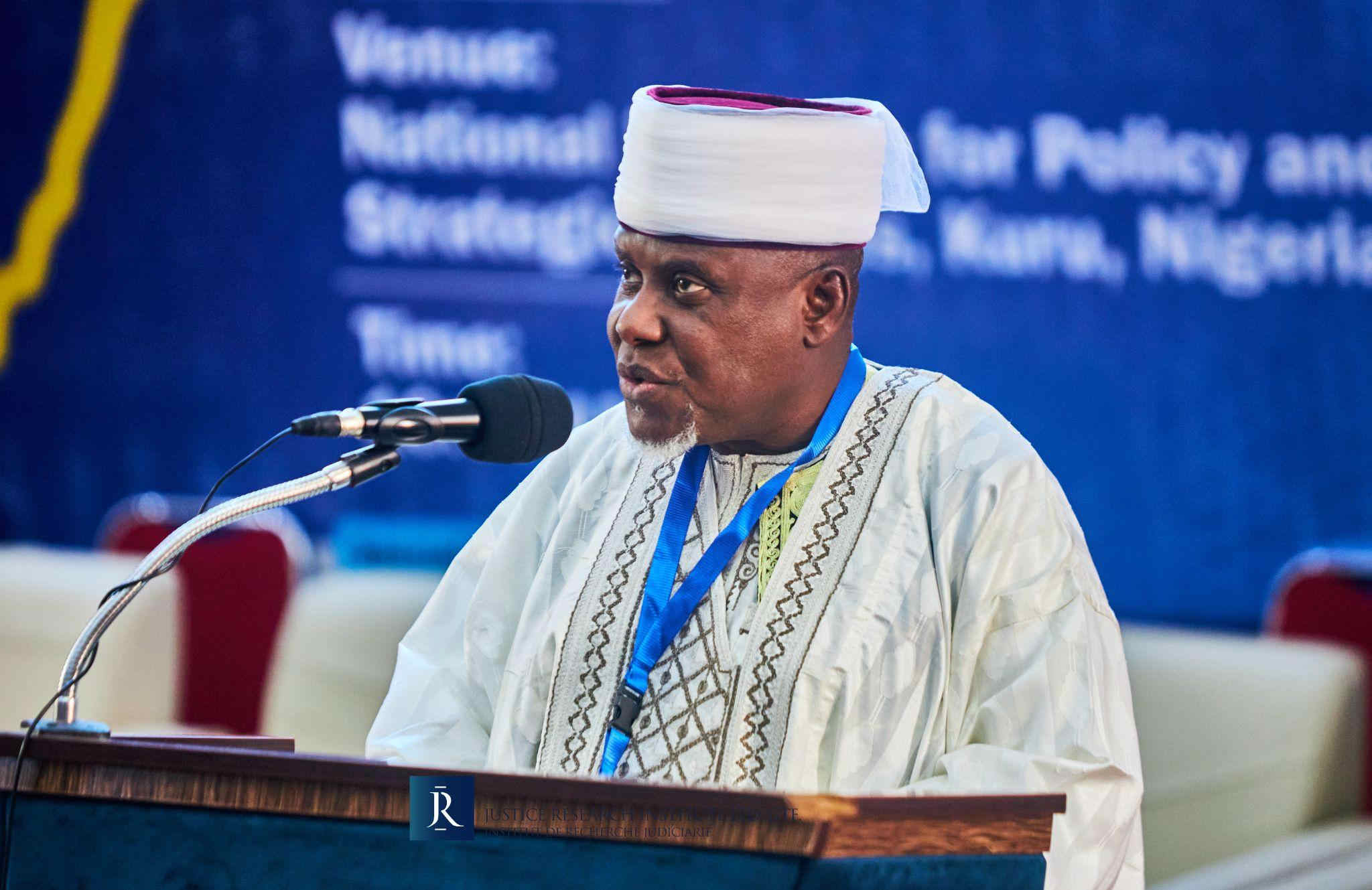
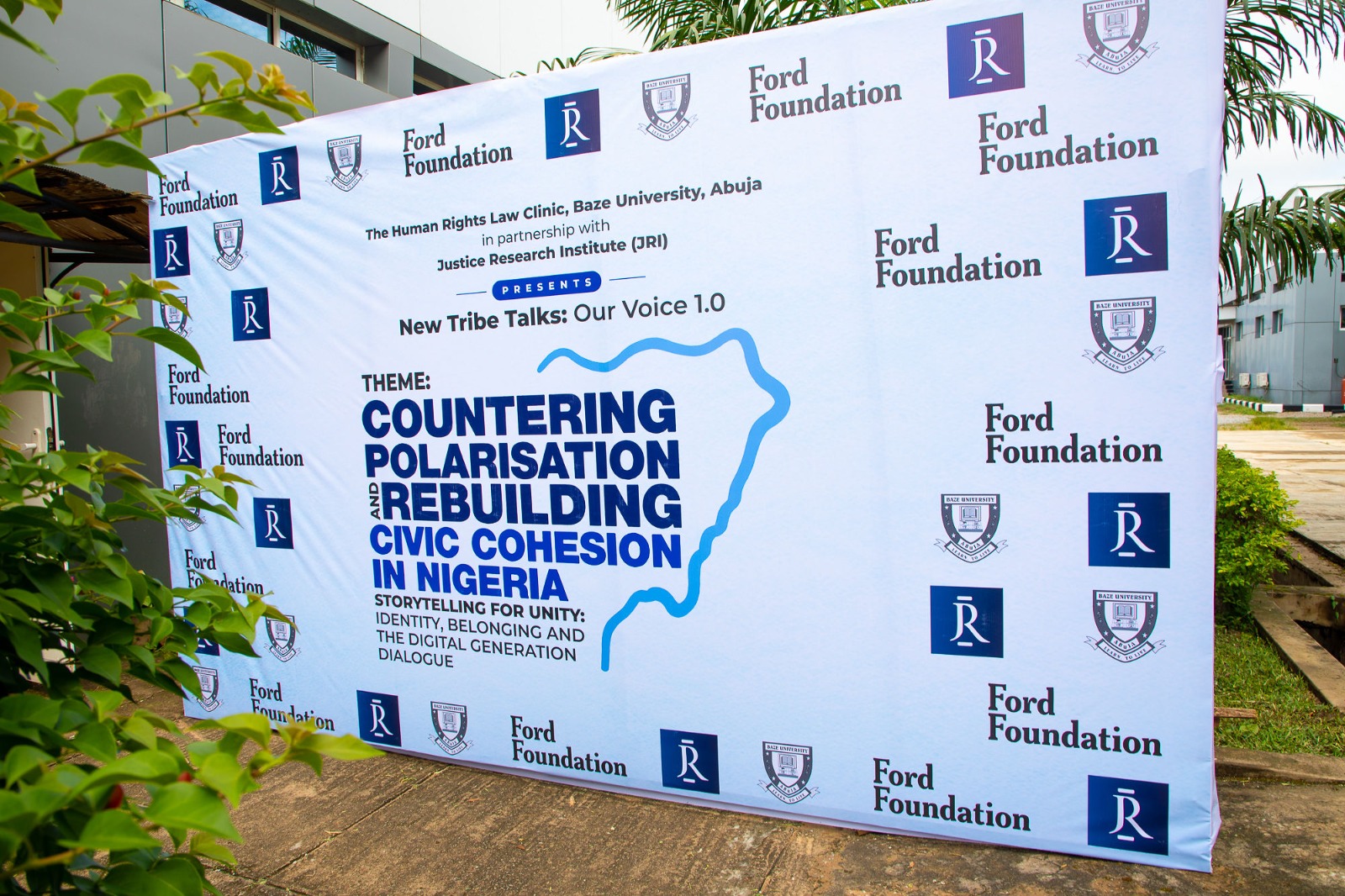
Not about flags. Not about ceremonies. But about something quieter, more powerful, and increasingly urgent: the stories Nigerians tell about one another. At Baze University, the Human Rights Law Clinic, in partnership with the Justice Research Institute (JRI) and with support from the Ford Foundation, convened a dialogue on “Countering Polarisation and Rebuilding Civic Cohesion in Nigeria.” The timing mattered.

Nigeria is one of the most diverse countries in the world, shaped by hundreds of ethnic groups, languages, faiths, histories and identities. That diversity has always been one of the country's defining strengths. But in the digital age, the same differences can become fault lines when they are fed by misinformation, prejudice and narratives designed to divide.
A rumour no longer stays in one community.
A stereotype no longer ends with one conversation. A misleading video, an inflammatory post or a forwarded WhatsApp message can travel across the country in minutes, collecting anger and suspicion along the way.

That reality formed the heartbeat of the dialogue, themed “Storytelling for Unity: Identity, Belonging and the Digital Generation.” Young people, advocates, thought leaders and other stakeholders gathered to examine a deceptively simple question: What are our stories doing to us? Because storytelling is never just entertainment.
Stories shape who we trust. They influence who we fear. They can determine who we consider a neighbour and who we begin to regard as an outsider. In a digital generation where algorithms reward attention and provocative content can travel faster than context, the struggle for civic cohesion increasingly happens on our screens.
A headline can reinforce an old prejudice. A joke can normalise a stereotype. A false story, repeated often enough, can begin to feel like truth. But the conversation at Baze University was not simply about diagnosing the problem. It was also about reclaiming the solution. What if storytelling became infrastructure for unity? What if digital platforms were used to introduce Nigerians to communities they had only encountered through stereotypes? What if stories could reveal the ordinary humanity behind labels of ethnicity, religion, region and class? That is the opportunity before us.
Nigeria does not need a single story. Its strength lies in the fact that millions of different stories can belong to the same national conversation. But civic cohesion requires intentionality. It requires citizens who pause before forwarding inflammatory claims, question narratives designed to provoke them, and make room for experiences beyond their own.
The event may have ended, but the responsibility it raised belongs to all of us. Every post we share, every stereotype we repeat, every story we amplify contributes something to the Nigeria we are building. So, before you forward it, repeat it, laugh at it or believe it, ask one question: Is this story building a wall between us, or a bridge? Because sometimes, the distance between division and unity begins with a sentence.